Articles
Articles and analyses from the INET community on the key economic questions of our time.

Experts: Negotiating Big Pharma's Prices Won't Stifle Innovation—They Don't Use the Money to Innovate!
Industry lobbyists vehemently oppose Medicare drug price negotiations. However, physician-scientist Fred Ledley and economist William Lazonick debunk their arguments.
Inflation and Power

Finally, an Economist Takes on the Topic of Power
Alessandro Roncaglia has mulled the topic of power over his long and distinguished career – a topic most economists avoid. His new book explores the historical dynamics of power and asks how we can change its distribution today.

As Presidential Hopefuls Spar on Social Security, This Expert Separates Fact from Fiction
Eric Laursen, author of The People’s Pension, explains to INET’s Lynn Parramore what’s at stake for Americans in a year of sneak attacks and misinformation.
The Dutch Earthquake

What Does Mustard Gas Have in Common with Crypto and Blockchain?
In his new book, Let Them Eat Crypto, Peter Howson cautions that the technologies are not just fraudulent but causing indefensible harm to both humanity and the planet.

Jim Chanos: “The Crypto Ecosystem Is Well-Suited for the Dark Side of Finance.”
The famed short-seller talks Sam Bankman-Fried, why Wall Street is still so keen on crypto, and how technology is making us dumber.
Is Too Big to Fail Over?

Creating the Post-2008 Global Safety Net: Fed Precedents, Instruments, and Targets
The “liquidity” support provided by the Fed to megabanks through cross-border lending in fact acted as subsidies
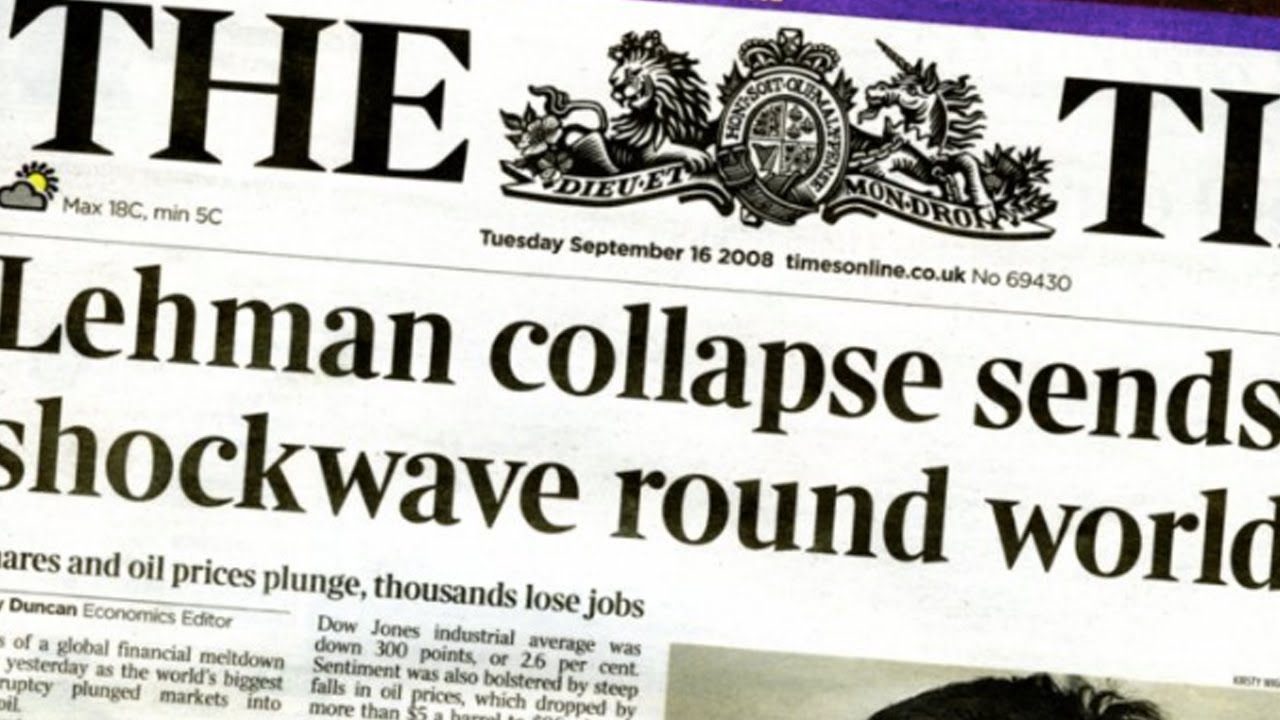
Reflections on the 15th Anniversary of the Lehman Brothers Failure
What lessons need to be drawn on this anniversary?

Climate Finance: Where Does the Money Come From and Who Gets It?
Reaching climate goals means rich countries must invest in sustainable technologies in developing countries with huge energy needs.

As the Ukraine War Drags On, It’s Time to Reassess the Impacts of Sanctions
The bundle of sanctions was initially designed and imposed in haste, with little basis to assess historic performance.

Oil Prices, Oil Profits, Speculation, and Inflation
The role of speculation in the crude oil market in the increase in the WTI crude oil price.