Articles
Articles and analyses from the INET community on the key economic questions of our time.

Hungry for Development: The leadership of the Global South from G20 to COP30
Since 2007, recurring food-price spikes reveal hunger as a problem of market design and underinvestment, not scarcity. With Brazil’s COP30 on the horizon, aligning climate commitments with food systems could cement policy space to manage markets and advance the right to food.
Bretton Woods: A System That Can’t Be Fixed—But Can Be Made Fairer and More Effective
The IMF and World Bank can no longer function as instruments that discipline some member countries while deferring to others. Their challenge is to transform the exercise of power among member countries into a framework of mutual respect and cooperation.

Time Bomb: How Uninsured Stablecoins and Crypto Derivatives Threaten Financial and Economic Stability
The GENIUS Act is a disastrous law that poses grave and unacceptable threats to our financial and economic future. Congress must remove those threats by (1) repealing the GENIUS Act and passing legislation that requires all stablecoin providers to be FDIC-insured banks, and (2) adopting legislation that requires all crypto derivatives to comply with the rules governing non-digital derivatives under Title VII of the Dodd-Frank Act.

Jim Chanos on Crypto, AI, and Casino Capitalism
The famed short-seller reminds us that technology might advance, but we’re still a pretty predictable bunch of apes.

Uneven Development Without Social Relations—The Trouble with Nievas and Piketty’s Unequal Exchange
Why do market-centric fixes for “unequal exchange” fall short? Sidelining social relations and production power turns colonialism into a pricing problem—and hides the mechanisms that keep uneven development in place.

What’s Next for Capitalism — Reinvention or Authoritarian Rule?
In Capitalism and Its Critics, New Yorker writer John Cassidy brings to life the figures who warned of monopoly power, inequality, environmental peril, and authoritarianism—forces still at work today. He discusses his book with Lynn Parramore.

Tariff Turmoil and the Money Markets: Single Payer Insurance to the Rescue
In Treasury markets, there are no libertarians, only grateful recipients of single-payer insurance for ailing financial markets.
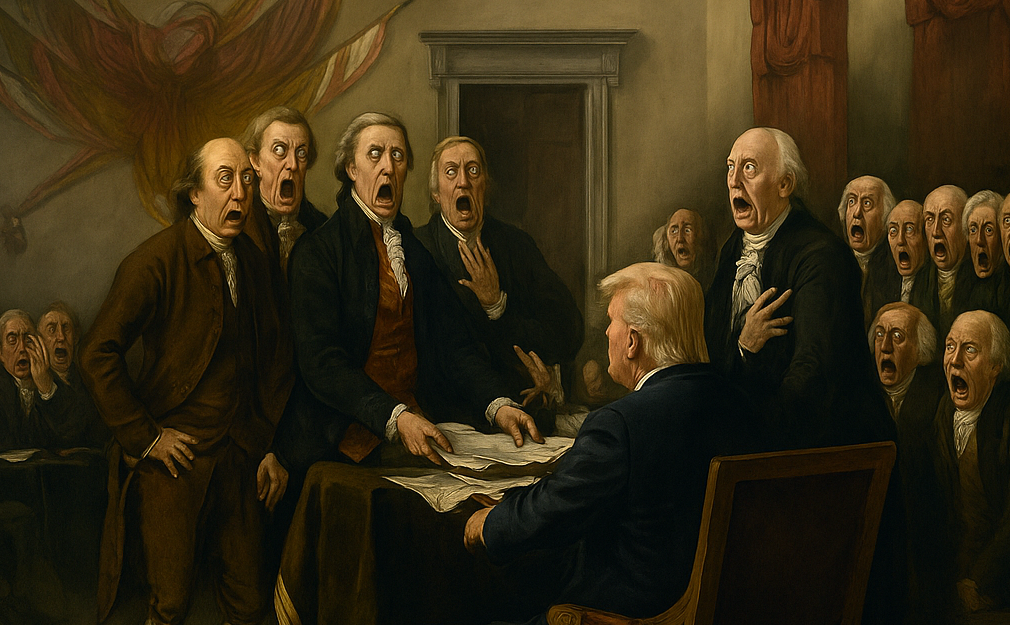
“Founders Would Be Horrified”: Renowned Historian Drops Truth-Bomb on American Revolution and Lessons for Today
Professor Marc Egnal of York University joins the Institute for New Economic Thinking’s Lynn Parramore to explore why historians cling to an inaccurate and misleading narrative, and what we can learn from the real history about tyranny, checks and balances, imperialism — and resistance.
7 Truths About Trump’s Tariffs — And the High-Stakes Future They Shape
Top money-and-politics expert Thomas Ferguson breaks down the real drivers of Trump’s aggressive tariff agenda, from big crypto plans to a new world order emerging.
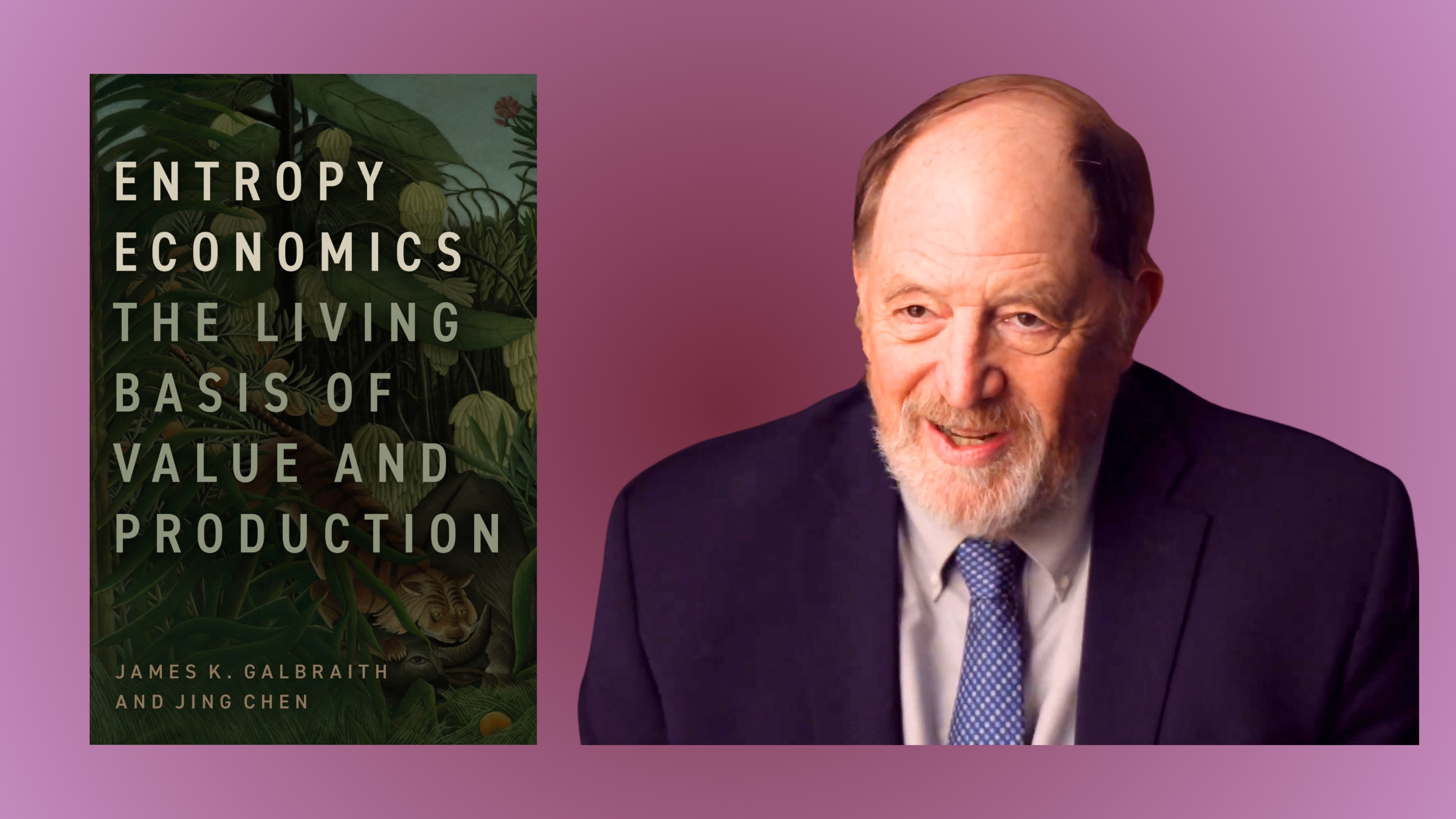
James K. Galbraith on His Latest Book, DOGE, Bitcoin & More
The distinguished economist talks about the power of entropy in shaping a new economic reality and viewing current events. His new book, Entropy Economics: The Living Basis of Value and Production, challenges flawed mainstream models that lead to distortions and bad policy.