Articles
Articles and analyses from the INET community on the key economic questions of our time.

The Rise Of The Right-Wing Populist: Back In The Court Of The Banks
Contrary to common belief, this shift is not so much caused by the refugee crisis, but rather by the historical disaster that followed the big financial crisis since 2007.

Panama: Cheating “Epidemic” Crowds Out Honest Business, Implicates Banks
Leading expert says Iceland is showing the way on tackling a global peril.

The Panama Papers: A Tropical Tip of the Hidden Wealth Iceberg
When billionaires pay less, we all pay more.
Marcello de Cecco (1939-2016)

New Report on Trans-Pacific Partnership Trade Deal Raises Serious Concerns about Corporate Misalignment
The Haas Institute for a Fair and Inclusive Society’s report analyzes the Trans-Pacific Partnership and examines the widespread global implications in the event of its passage.
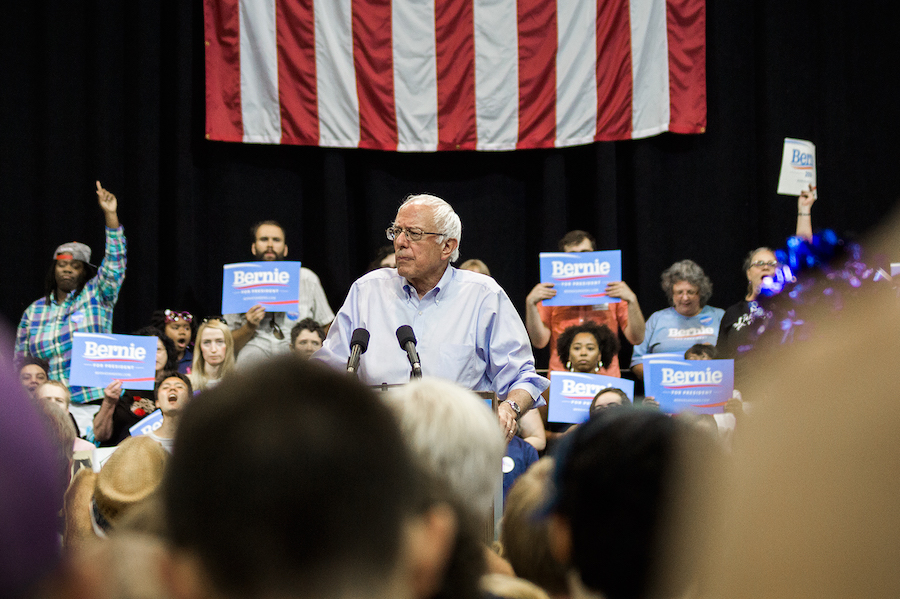
Different Models, Different Politics
Gerald Friedman responds to the Romers on the Sanders Plan.
The China Delusion

Rejoinder to Flassbeck and Lapavitsas
It is high time to ditch this myth for at least the following five reasons.

Wage Moderation and Productivity in Europe
Recently, our analysis has been questioned by Servaas Storm who has claimed that it is untenable to blame neo-mercantilist Germany for driving a wedge into the Eurozone. [i] It is shown below that Storm’s critique has a certain aplomb, but lacks substance.

The Gift of Deregulation
‘Tis the season to celebrate gift giving. But for big banks Santa Claus comes all the time, in the form of handsomely wrapped subsidies and subtly packaged regulatory nuances worth more more gold than the wildest dreams of the Three Wise Men.

Renminbi to the Rescue?
With the RMB in the SDR, careful progression in China could balance the international monetary system.
RMB in SDR, Now What?
Will Spain Reject Austerity?

What Can We Really Know About the Future of Stock Prices?
A gap between theory and reality has haunted economists.