Articles
Articles and analyses from the INET community on the key economic questions of our time.
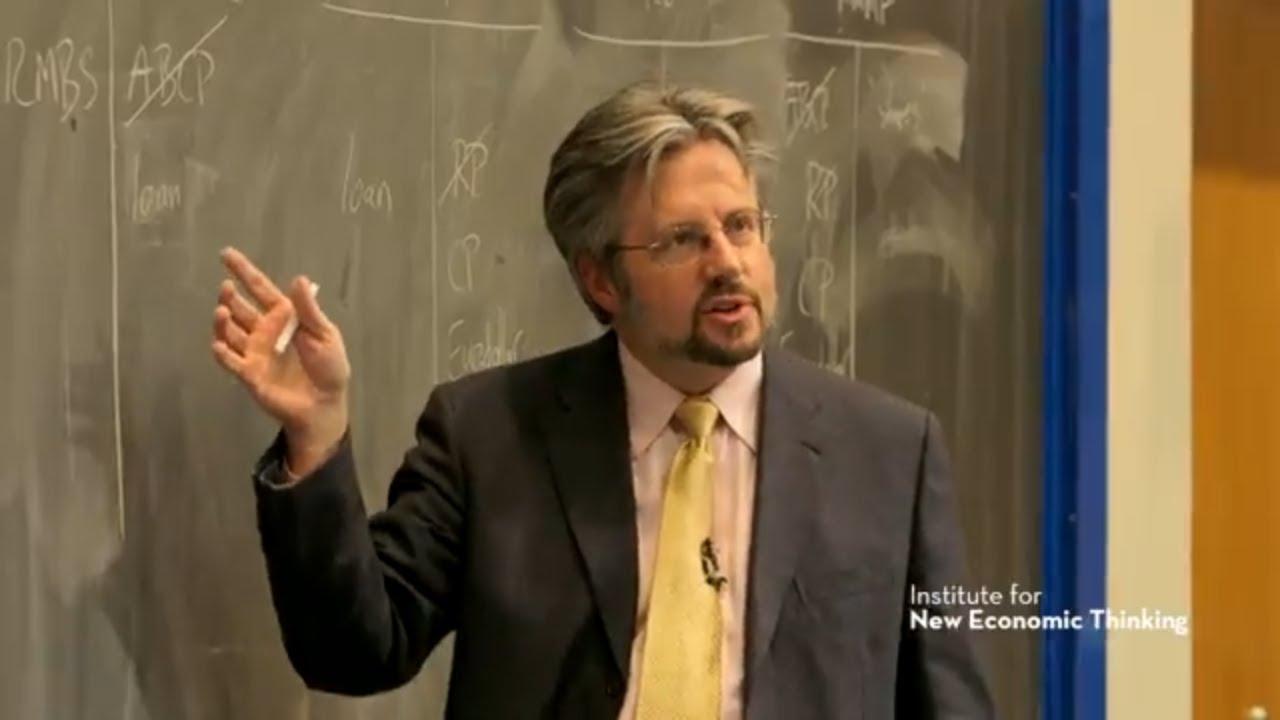
Remembering Perry Mehrling
It is with deepest sadness and regret that we learned of the passing of Dr. Perry Mehrling. Dr. Mehrling played a vital role in INET and its Young Scholar Initiative (YSI) for many years. We were looking forward with hopeful anticipation to working with him far into the future. Alas, it was not to be. Over the next few months, INET and YSI will be organizing a series of tributes to Dr. Mehrling. In the meantime, we gratefully reprint with permission the warm and generous appreciation of our long time colleague just published by our friends at the History of Economics Society. INET and YSI join with the EHS in expressing our deepest condolences to Dr. Mehrling’s wife and extended family.

Breaking Up Big Medicine vs. Single-Payer: An Analysis of Competing Health Care Reform Proposals
A new health-care reform agenda puts antitrust at the center, targeting the conglomerates that dominate insurance, pharmacies, and providers. But breaking up Big Medicine leaves deeper problems intact, from profit-driven denial and risk selection to the administrative costs of a fragmented system.

The Impotence of Being Kevin Warsh
Kevin Warsh’s call for fresh thinking at the Fed runs up against a deeper problem. The tools and concepts guiding monetary policy may no longer fit an economy reshaped by AI, shifting prices, and the fading power of interest rates.

Happy Birthday, America. Our Best Tradition Is Taking on the Powerful.
We’ve inherited a stubborn reflex for resisting fatcats, oligarchs, profiteers, and anyone who tries to run roughshod over us.

A Preface to Alessandro Roncaglia’s Essay on Adam Smith
As America marks 250 years of independence, Adam Smith is again being pressed into service as a founding myth. A deeper reading of The Wealth of Nations reveals a far richer thinker than today’s easy invocations of markets and liberty suggest.

The Fed, Congress, and the President: The Constitutional Authority to Make Money
The struggle over the Federal Reserve is not just a dispute about central bank independence. It is a constitutional conflict over democratic sovereignty itself: in a representative system, the power to make money belongs first to the legislature, not the executive.

Transforming Corporate Governance to Improve Access to Medicines in the Global South
Affordable medicines remain out of reach for millions because pharmaceutical innovation is organized around value extraction, not public health. How do shareholder-driven governance and fragmented global health financing reinforce inequity, and what structural reforms are needed to reverse it?

Education of a Grandmaster
Kenneth Rogoff, Our Dollar, Your Problem: An Insider’s View of Seven Turbulent Decades of Global Finance, and the Road Ahead. Yale 2025.

Move Fast and Break Everything: Crypto and the Democrats
After FTX’s collapse, crypto looked finished. Yet Washington revived it, culminating in Trump’s GENIUS Act and a surprising Democratic shift. How did money and affluence predict pro-crypto votes, amid widening deregulation and cyber risk?

Elon Musk’s latest power grab: Will Tesla’s CEO become the world’s first trillion-dollar employee?
Elon Musk secured shareholder approval for a new stock-based package designed to double his voting power at Tesla, potentially making him the first trillion-dollar employee. As this plan cements Musk’s control it ties vesting to audacious market-cap and production targets and diverts focus from progressive value creation. Musk’s governance, layoffs, and politicization could imperil Tesla’s EV leadership and ambitions in AI and robotics.