Articles
Articles and analyses from the INET community on the key economic questions of our time.

How Biden Can Protect Workers on Day 1
By fully utilizing the power of the Occupational Safety and Health Administration (OSHA), President Biden could take meaningful steps to keep workers safe during the pandemic, even without Congress’s help

Mossadeck Bally, CEO Azalaï Hotels group: "Africa’s Economic Recovery Plans Must Involve the Private Sector as an Integral Part"
In this interview, Mr. Mossadeck Bally, a Malian businessman and CEO of Azalai Hotels Group and member of GRAIN (Group of Reflection, Actions and Innovative Initiatives) discusses the economic impacts of the COVID-19 pandemic on his hotel group, the role of the Malian private sector in the economic recovery plan, youth employment and the solutions that must be provided to the political crisis in Mali.
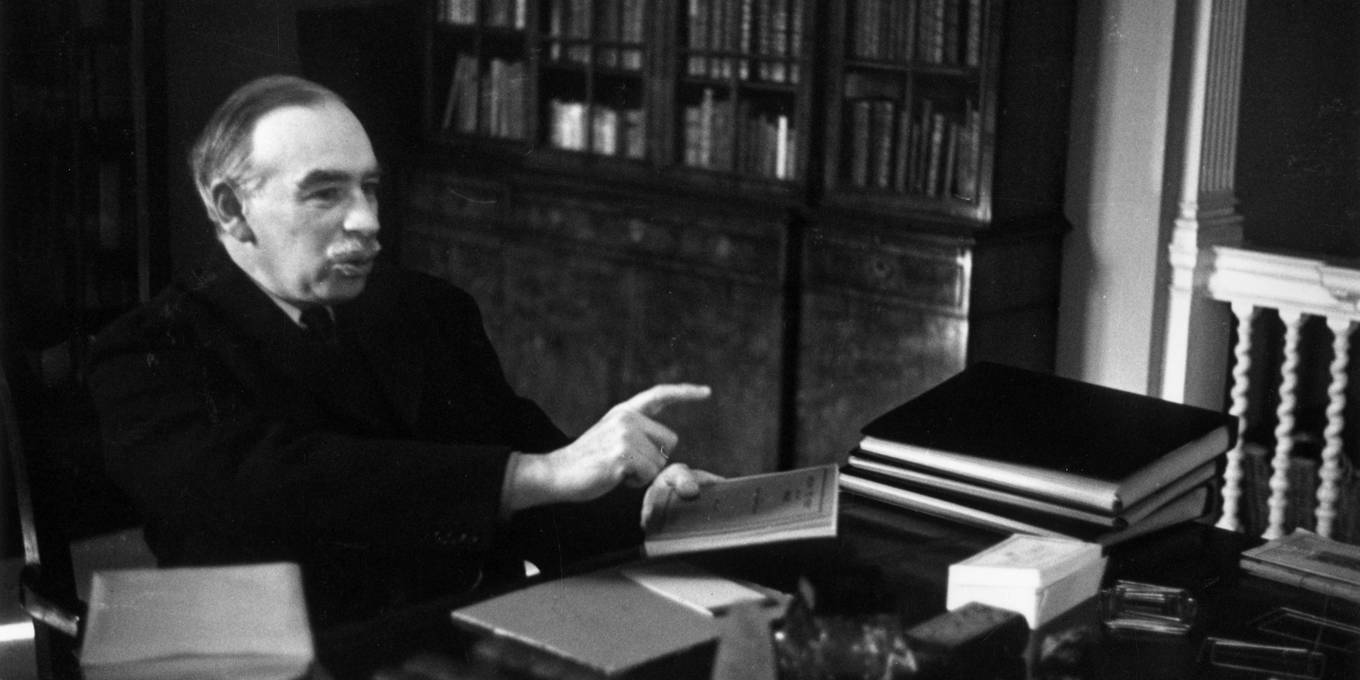
Janeway on Ramsey and Keynes: A Comment
Lance Taylor responds to William Janeway’s essay on John Maynard Keynes and Frank Ramsey. Janeway then offers his response.
How Bankers Hide Losses

The Master and the Prodigy
INET’s co-founder reviews new books about John Maynard Keynes and Frank Ramsey

How NAFTA Lost Democrats the South
For thirty years after the Civil Rights Act, a sizable share of white Southerners still voted Democrat. That changed when the party embraced trade deals that hurt American workers.

Second Round: Final Reply to Smithers
Lance Taylor provides a second and final response to Andrew Smithers’ criticism of his working paper on the role of the “Global Savings Glut”
Second Round: The Labor Share of Corporate Income
Andrew Smithers responds to Lance Taylor’s rebuttal.

Coronavirus Perceptions and Economic Anxiety
When people recognize just how dangerous covid is, they worry more about the economy

Professor Njuguna Ndung’u: COVID-19 is a wake-up call to reform the healthcare system and make it inclusive for all
In this conversation with Folashadé Soulé and Camilla Toulmin, Pr Njuguna Ndung’u, a Kenyan economist, Director of the African Economic Research Consortium (AERC), a pan-African organization devoted to the advancement of economic policy research and training in sub-Saharan Africa, and former Governor of the Central Bank of Kenya (2007-2015) analyses how the pandemic creates more fragility in African economies, but also how reforms could be implemented during this crisis; and the urgent need for investment in strong health institutional capacities
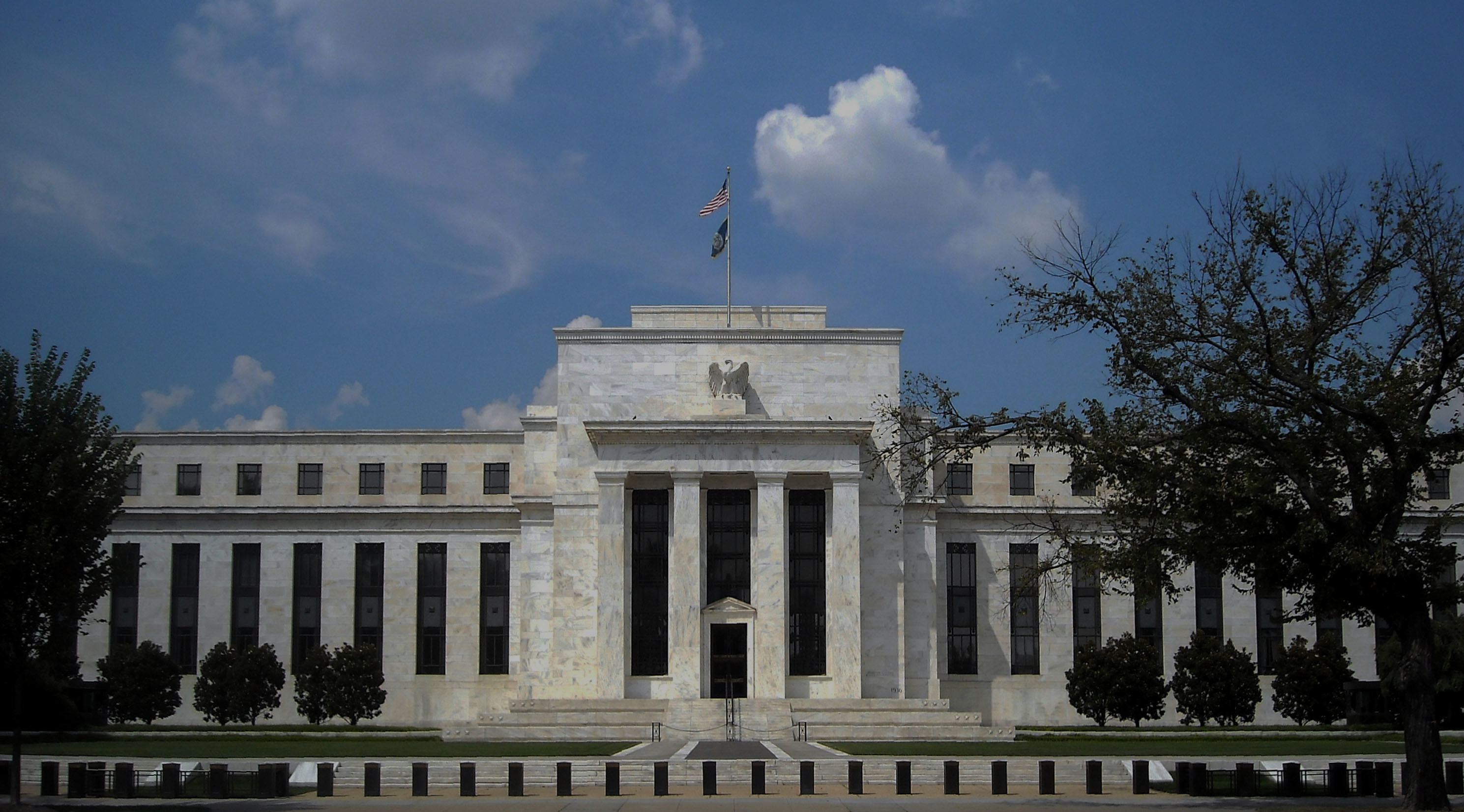
The Good, the Bad, and the Ugly About the Fed’s New Credit Allocation Policy
The Fed is taking an aggressive approach to put out the economic fires of the pandemic. But it needs to allow for flexibility as some business models irreparably change.